
LUXIFY / Flooring
Ceramic and porcelain tile
Ceramic tile has served as both decoration and building material for thousands of years. Today’s porcelain is a category of ceramic tile defined by water absorption of 0.5% or less under the referenced test.
What makes the difference
Low absorption does not independently establish outdoor, wet-floor or freeze-thaw suitability. Surface, intended use and the manufacturer’s tests matter. A wood or marble look describes the decoration, not the material from which the tile was made.
What changes the price
Compare size, surface treatment, edge processing and intended use alongside installation work. Large pieces, patterned layouts and demanding preparation change the project scope; porcelain is not a universal quality ranking above every ceramic tile.
Origin & identity
A place-inspired collection name is not a manufacturing-country statement. Obtain origin from the manufacturer’s product documentation.
What to compare
- Body type and water-absorption documentation
- Floor or wall and indoor or outdoor approval
- Slip test and intended wet-area conditions
- Glaze, finish, shade variation and size
- Installation system and substrate preparation
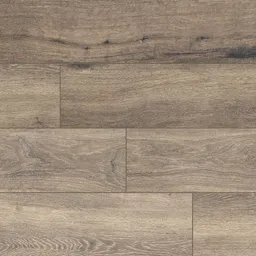
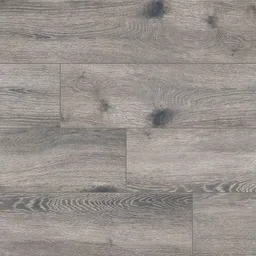
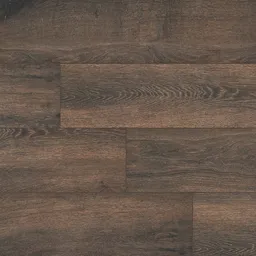
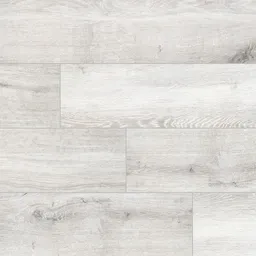
From the real catalog
Related catalog references. These guides do not certify a product’s specifications or availability.
Sources & further reading
Educational guidance. Confirm the current technical sheet, exact product and installation conditions with your team.
Tile Heritage Foundation — World Tile History ↗Tile Council of North America — Porcelain vs. Non-Porcelain ↗