
LUXIFY / Wood
Species, grain and the color name
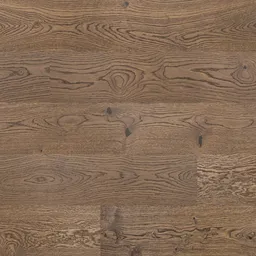
Wood anatomy and the way a board is cut create its grain. North American white oak can show striking rays when quartersawn; black walnut has dark heartwood and contrasting pale sapwood; hickory can show strong natural color variation.
What makes the difference
Species hardness helps compare solid-wood dent resistance. It does not certify the scratch resistance or performance of an engineered floor. Cut, finish and construction also matter. An oak-colored cabinet or floor may be printed decor rather than oak.
What changes the price
Compare the requested figure, sorting and matching work with the actual construction. Selective appearance and matched faces can explain a different quote without implying that a more characterful surface is defective.
Origin & identity
The regions described in a species guide are educational context, not the harvest origin of a catalog SKU. European oak and North American white oak must not be treated as the same documented origin.
What to compare
- Botanical or documented commercial species
- Solid wood, veneer or printed decoration
- Plain, rift, quarter, sliced or sawn face
- Sapwood, knots, grain matching and finish
- Harvest origin and manufacturing origin
From the real catalog
Related catalog references. These guides do not certify a product’s specifications or availability.



Sources & further reading
Educational guidance. Confirm the current technical sheet, exact product and installation conditions with your team.
USDA Forest Products Laboratory — Wood Handbook, Chapter 2 (2021) ↗NWFA — North American White Oak ↗NWFA — Black Walnut ↗NWFA — Hickory and Pecan ↗NWFA — Durability and Janka hardness ↗